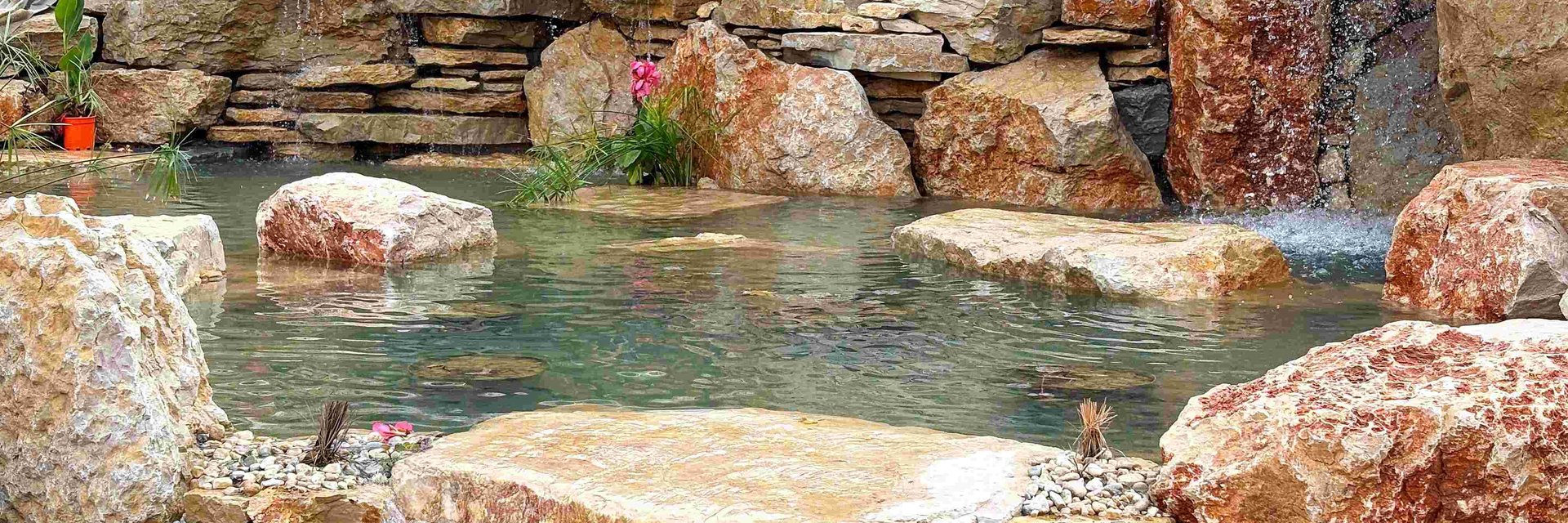
A natural swimming pool is a chemical-free swimming environment that uses biological filtration — aquatic plants, beneficial bacteria and carefully engineered water movement — to keep the water clean, clear and safe for swimming. No chlorine. No salt systems. No harsh chemicals of any kind.
Unlike a conventional pool which relies on chemical treatment to kill bacteria and algae, a natural pool works the way a healthy river or lake works — through living biology. The result is water that is genuinely alive, extraordinarily clear, and remarkably gentle on skin, eyes and hair.
Natural swimming pools go by several names depending on where you are in the world — natural pool, biopool, organic pool, swimming pond, biological pool or living pool. They all refer to the same fundamental concept: a swimming environment cleaned by nature rather than chemistry.
How Does a Natural Swimming Pool Work?
Every natural swimming pool is built around one core principle — biological balance. When the water chemistry, plant life, bacteria and circulation are correctly designed and balanced, the system cleans itself continuously and indefinitely without any chemical input.
The Two Zone System
Most natural pools are divided into two distinct zones:
The Swimming Zone is where you swim. It looks and functions like a conventional pool — defined edges, clear water, a comfortable depth for swimming. Depending on the design style it can look completely modern and architectural, or completely naturalistic and organic.
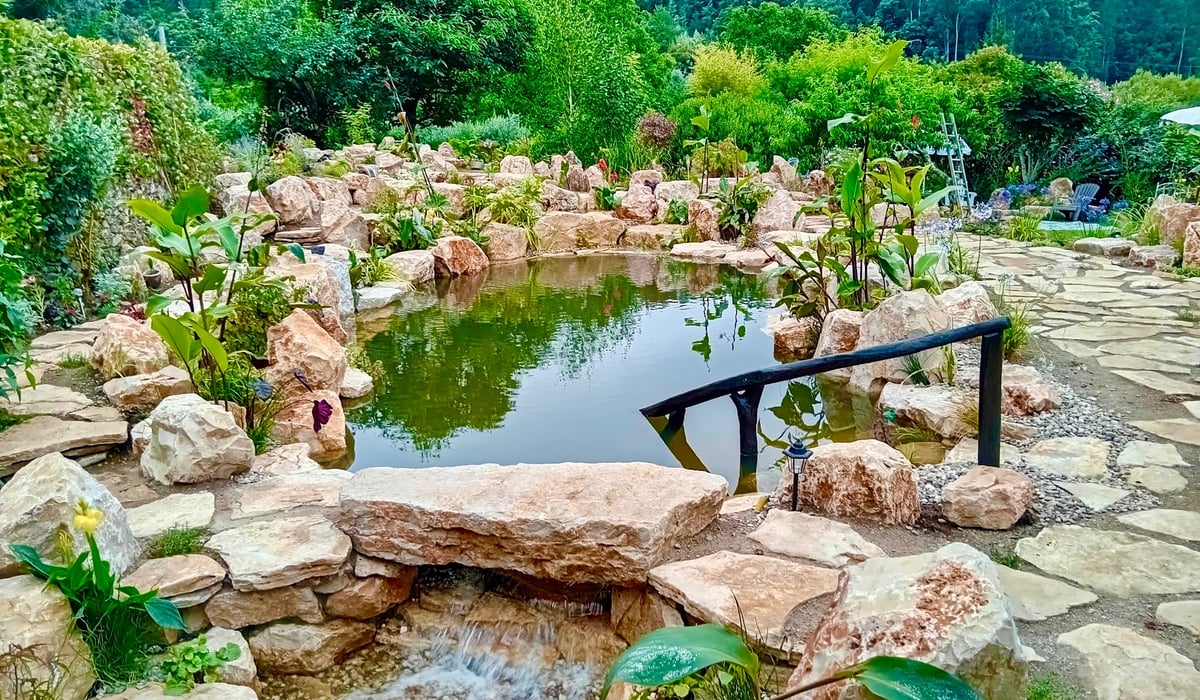
The Regeneration Zone is the biological engine of the pool. This is a shallower area planted with carefully selected aquatic plants and engineered with natural filtration media — gravel, beneficial bacteria, and specific plant species chosen for their water-cleaning properties. Water is continuously circulated from the swimming zone through the regeneration zone and back again, being cleaned naturally on every pass.
The Role of Plants
Aquatic plants in the regeneration zone absorb nutrients from the water — particularly nitrogen and phosphorus — that would otherwise feed algae. They also oxygenate the water and provide habitat for the beneficial microorganisms that form the biological filter. The species selected depend on climate, water temperature, sunlight and the specific design of the pool.
The Role of Bacteria
A healthy natural pool contains a thriving community of beneficial bacteria — primarily living in the gravel substrate of the regeneration zone — that break down organic matter, process ammonia, and maintain the biological balance of the system. This bacterial community takes time to establish in a new pool — typically one full season — and becomes more stable and effective over time.
Circulation and Pump Systems
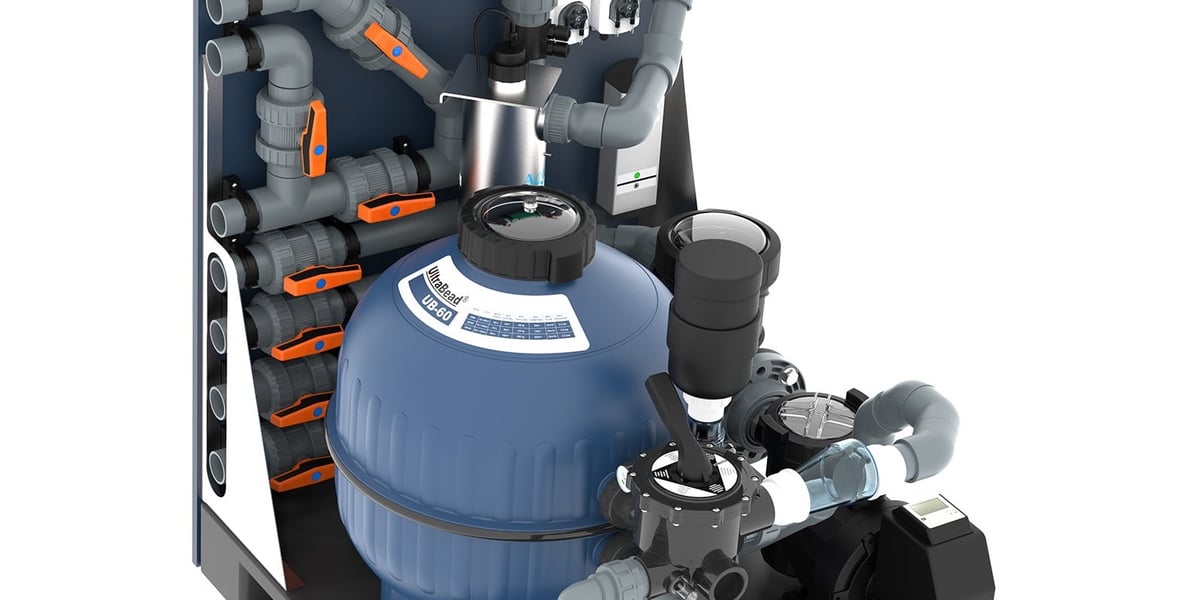
Water movement is critical. A correctly sized pump ensures continuous circulation between the swimming and regeneration zones, maintaining oxygenation and preventing stagnation. Modern natural pool systems use variable-speed pumps, UV sterilisation units and smart controls to maintain water quality with minimal energy consumption.
Compact Biofilter Systems
More recent natural pool designs use compact biofilter systems instead of — or in addition to — planted regeneration zones. These systems use specialist filter media colonised by beneficial bacteria to achieve biological filtration in a much smaller footprint. They are particularly suited to modern architectural pools where a large planted zone would compromise the aesthetic, and to hot climate installations where plant selection is more challenging.
Natural Swimming Pool vs Conventional Pool — What's the Difference?
The fundamental difference is how the water is kept clean:
Conventional pool
Water is kept clean by adding chlorine or salt chlorination to kill bacteria and algae. The water is chemically treated and the pH is managed with additional chemicals. Effective but harsh on skin, eyes and hair, environmentally problematic, and requires ongoing chemical purchase and management.
Natural swimming pool
Water is kept clean by biological processes. No chemicals added. The system manages itself once properly established and balanced. Gentler on the body, better for the environment, lower long-term running costs, and — when properly designed — produces water that is indistinguishable in clarity from a well-maintained conventional pool.
The honest comparison: Natural pools require more careful design and a higher initial investment than a conventional pool of equivalent size. They also require a seasonal management approach — understanding the biological cycle, managing plant growth, and working with the system rather than against it. They are not maintenance-free. But for clients who want chemical-free water, a genuinely sustainable outdoor environment, and a pool that improves with age rather than degrading — there is no comparison.
Natural Pool Design Styles
Natural pools are not one thing. They span a wide range of aesthetic expressions — from the completely wild and naturalistic to the precisely geometric and architectural. The water treatment biology is the same. What changes is the form.
Hybrid Style Natural Pools
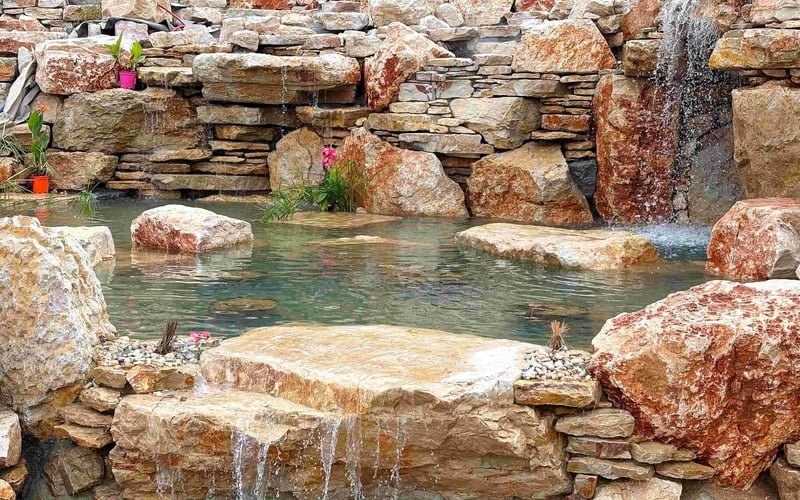
A deliberate mix of modern structure and naturalistic features — for example geometric swim zones combined with planted wetland shelves, or minimalist architecture surrounding an eco-pond. This style bridges formal and informal, delivering both precision and natural expression.
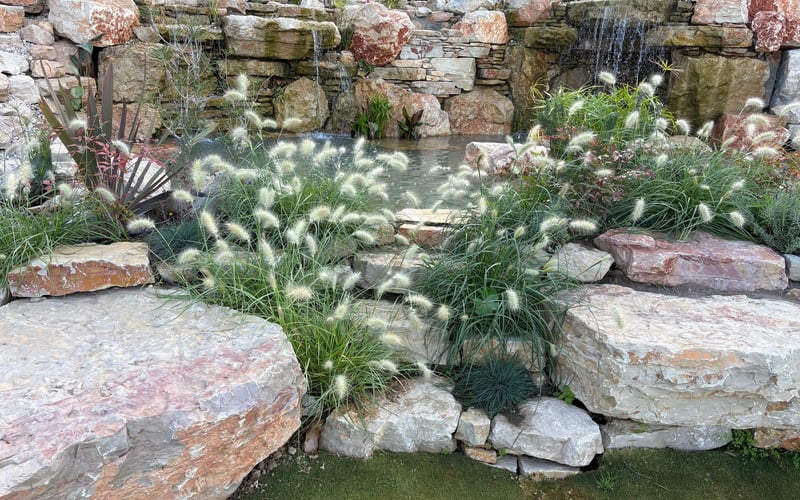
Naturalistic Style Natural Pools
Free-form shapes, organic stonework, lush marginal planting and soft transitions between water and land. Perfect for properties that prioritise immersion in nature and a landscape-first ambiance.
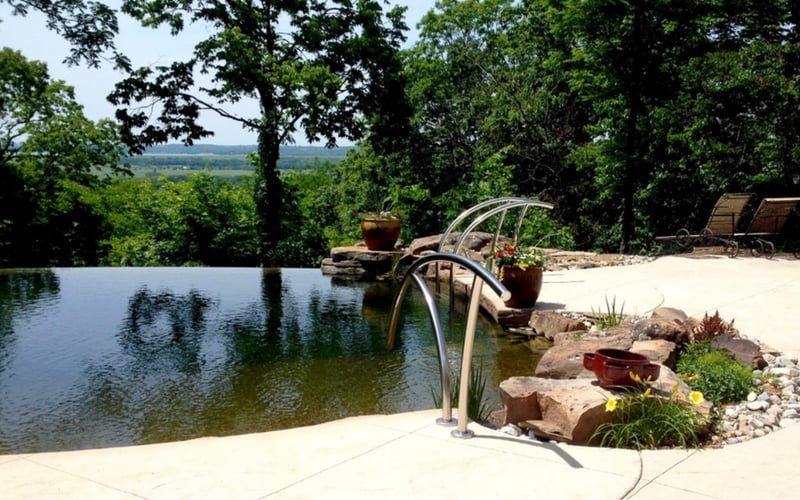
Modern Style Natural Pools
Clean geometry, defined edges, refined stone or concrete finishes and minimal aquatic planting. Ideal for contemporary homes, luxury villas and designs where architecture leads the composition.
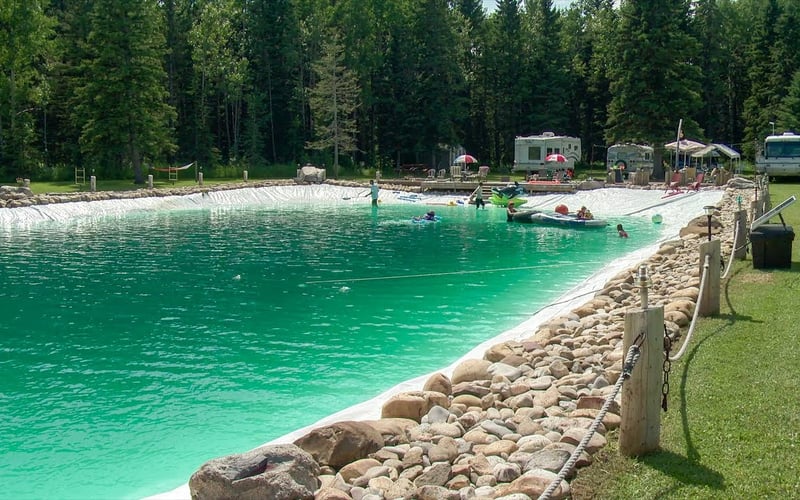
Lake-Scale Water Features
Large-format natural pools or small lakes designed for swimming, recreation or ecological regeneration. Custom depth profiles, circulation modelling, integrated wetlands and expansive visual presence mark this category.
Natural Swimming Pool Benefits
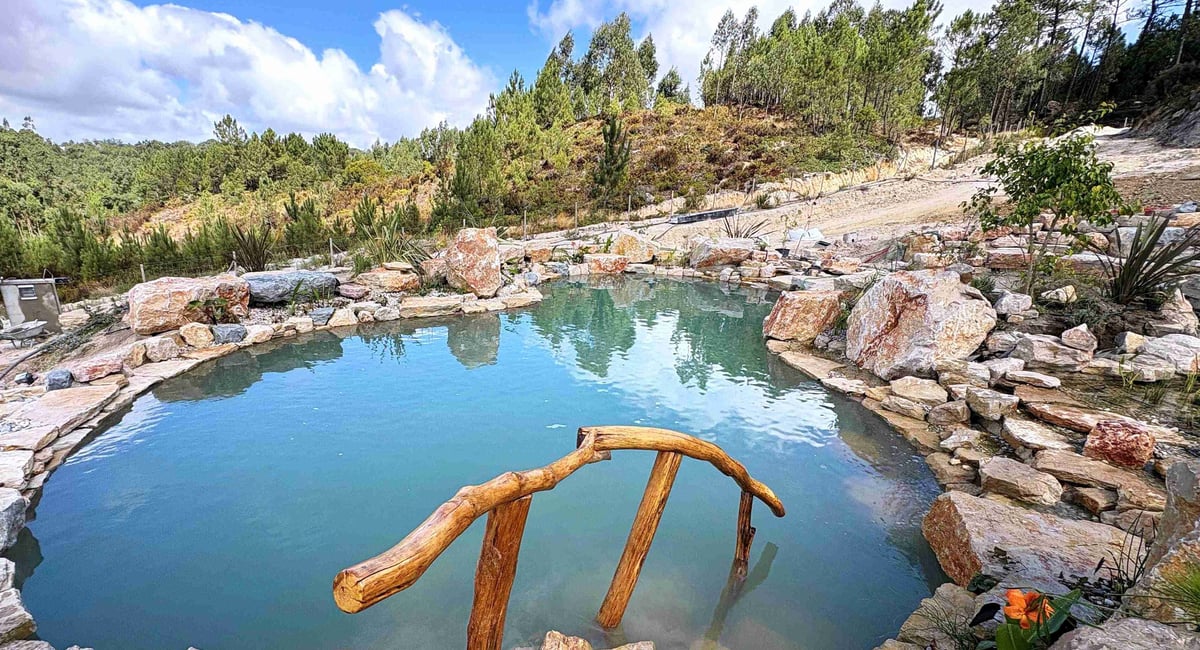
- No chemicals — no chlorine, no salt chlorination, no pH adjusters. The water is genuinely chemical-free and safe for children, people with sensitive skin, and anyone who reacts to conventional pool chemicals.
- Lower running costs — once established, a natural pool costs significantly less to run than a conventional pool. No chemical purchases, lower energy consumption with modern variable-speed pumps, and minimal ongoing maintenance costs.
- Improves with age — unlike a conventional pool which degrades and requires increasingly expensive maintenance over time, a well-designed natural pool becomes more biologically stable and effective as the ecosystem matures.
- Ecological value — a natural pool creates genuine habitat. Aquatic plants, beneficial insects, birds and amphibians are attracted to a well-established natural pool. For clients who care about biodiversity and land stewardship, this is a significant benefit.
- Aesthetic integration — a natural pool can be designed to look as if it was always part of the land. Stone, water and planting that feel discovered rather than installed.
- Year-round use — with appropriate design, natural pools can be used year-round in temperate and warm climates. In hot climates like the Middle East and California, they require specific design adaptations for heat management but perform exceptionally well.
Are Natural Pools Right for Every Property?
Yes — with adequate planning and design, natural pools can fit and function in most situations. Here's what to consider:
Space
Traditional natural pools with planted regeneration zones require more space than a conventional pool of equivalent swimming area. Compact biofilter systems reduce this requirement significantly but still require careful planning.
Climate
Natural pools work in virtually every climate with appropriate design adaptations. Hot, arid climates like the Middle East and California require specific plant selection, heat management strategies and circulation design. Cold climates require consideration of winter dormancy and system restart in spring.
Budget
Natural pools cost more upfront to build than conventional pools of equivalent size. The premium reflects the complexity of the biological system, the quality of materials and the expertise required to design and build them correctly. Running costs are significantly lower over time and there are zero chemical costs. Over the lifetime of the pool, these savings make natural pools considerably less expensive than traditional pools.
Maintenance approach
Natural pools require a different relationship with maintenance than conventional pools. They are not zero-maintenance, but the maintenance is ecological rather than chemical — seasonal plant management, monitoring of water clarity and biological balance, and working with the system's natural cycles. It is similar to maintaining a garden.
If you're unsure whether a natural pool is right for your property — a consultation is the most efficient first step. One hour with an expert who has built these systems for 25 years will give you a clear, honest answer based on your specific site, climate and goals.
Book a Consultation — from €180 →Natural Swimming Pool FAQ
How long does a natural pool take to establish?
The biological system typically takes one full season — approximately six months — to fully establish. During this period the water may be less stable as the bacterial community develops. By the second season a well-designed natural pool is fully biologically stable and self-sustaining.
Do natural pools attract insects and wildlife?
Yes — this is by design. A healthy natural pool will attract beneficial insects, birds and occasionally amphibians. The swimming zone itself remains clean and clear. Mosquitoes are not typically a problem in a properly circulating natural pool as they require stagnant water to breed.
Can you heat a natural pool?
Yes — natural pools can be heated using heat pumps or solar heating systems. Heating affects the biological balance and requires careful management but is entirely compatible with a well-designed natural pool system.
Can a conventional pool be converted to a natural pool?
Yes — pool conversions are one of our most requested services. The existing pool structure is retained and a biological filtration system is added. The result is a fully functioning natural pool at a significantly lower cost than a new build. See our pool conversion services →
How much does a natural swimming pool cost?
Natural pool costs vary significantly based on size, design complexity, location and materials. See our complete guide to natural swimming pool costs → for detailed pricing information by region.