Whether you're envisioning a wild swimming pond, a crystal-clear natural pool, or a sleek biopool with zero chemicals, the filtration system you choose defines everything: water clarity, maintenance commitment, energy use, and the feel of the space. Here are the five types — and how to choose between them.
Type 1 — Pure Nature: No Tech, No Filters
A raw, wild experience. This system uses no filtration technology — only plants and natural biological processes. Water may be cloudy at times, just like a natural lake. Energy usage is near zero. Maintenance involves pruning and occasional debris removal.
Best for
Decorative ponds, wild swimming ponds, natural lakes, remote or low-maintenance sites. Not suitable for formal pools or clarity-focused swimmers.
Trade-offs
Lowest cost and energy use. Water clarity varies seasonally. Not suitable where year-round crystal clarity is required. Ideal for those who want a true ecosystem pond with a swim zone.
Type 2 — Natural: Low-Tech Assist
This system adds a touch of technology: a skimmer, small pump, and possibly a UV unit. Water stays mostly clear with minimal energy use. Maintenance is light — plant care, skimmer emptying, and occasional cleaning. It balances simplicity with basic clarity.
Best for
Swimming ponds, larger natural pools, naturalistic lakes with occasional use, hybrid ornamental ponds.
Trade-offs
Still too variable for high-clarity demands. The step up from pure nature — suited where some clarity is wanted without significant investment in filtration infrastructure.
Type 3 — Clear: Balanced Tech + Plants
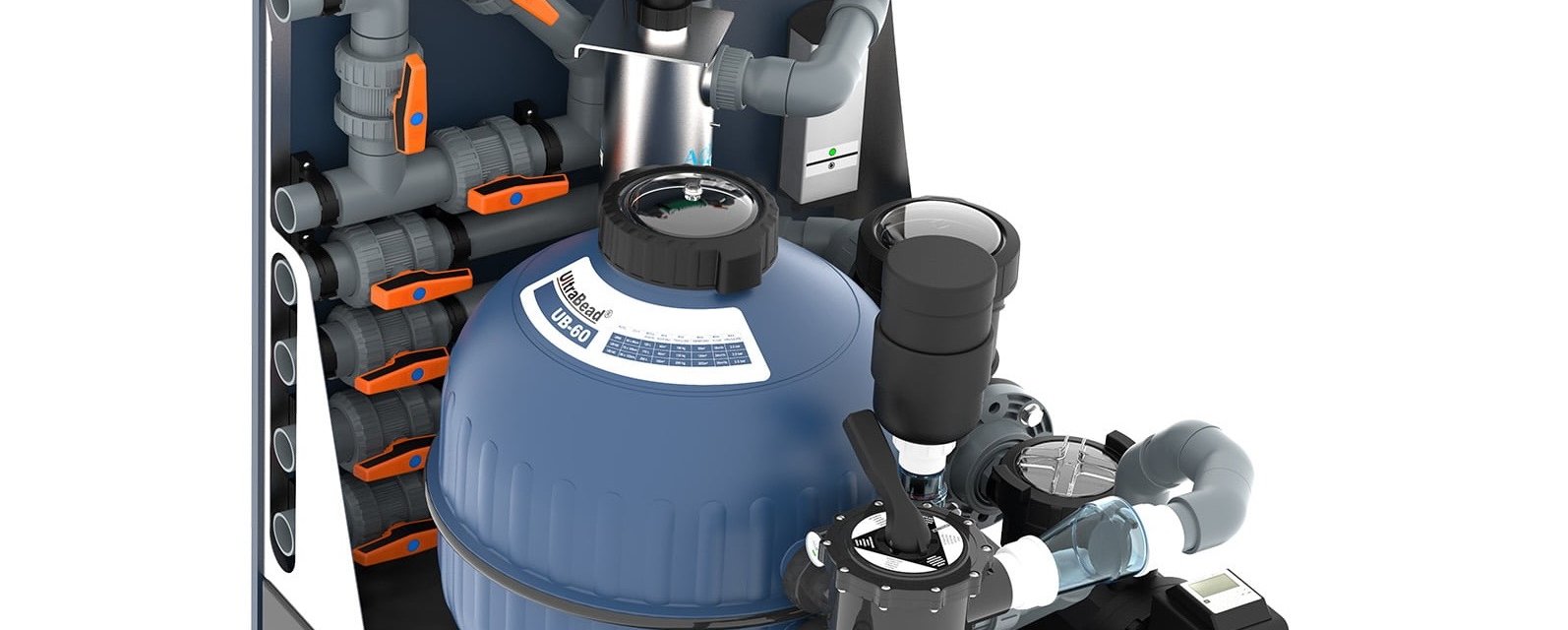
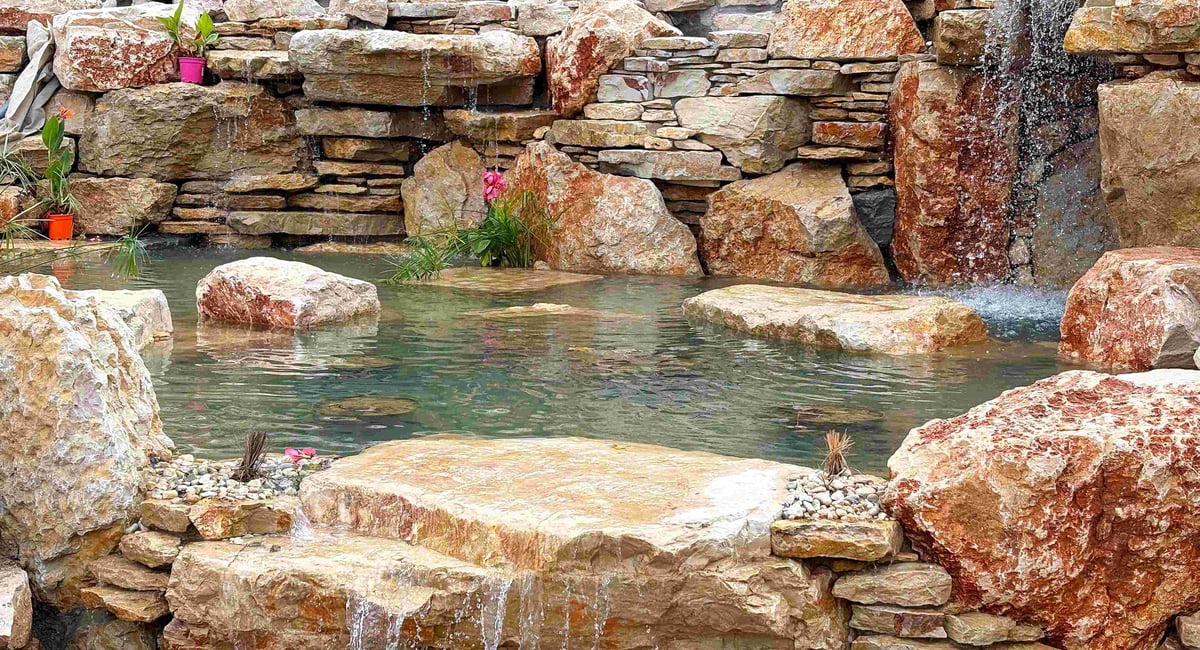
This is the true "natural pool" tier. Healthy plant zones are combined with engineered filtration: bottom drains, sieve filters, bead filters and UV-C sterilisation. You get clear water year-round while preserving a natural aesthetic. Requires regular care including backwashing and pruning.
Best for
Residential natural swimming pools, family-use pools with clear water goals, larger eco-pools that blend into the landscape, swimming ponds requiring dependable clarity.
Trade-offs
Requires adequate space for a planted regeneration zone — typically 30–50% of the swim zone area. More complex to build correctly than the lower tiers, but delivers the most satisfying combination of nature and function.
Type 4 — Crystal Clear: High-Tech + Minimal Flora
Plant zones are minimal or separated. Advanced filtration includes UV-C, phosphate control, and continuous-flow pumps for ultra-clear water. Maintenance is more intensive than Type 3 but rewards with exceptional clarity and a luxury finish.
Best for
High-end natural pools, resort installations, clients demanding year-round crystal clarity, formal gardens with swimming access.
Trade-offs
Begins to blur the line between natural and conventional pools in visual terms. Higher equipment cost and energy use than Types 1–3, but still chemical-free.
Type 5 — Biopool: No Plants, Full Tech
This system mimics a traditional concrete swimming pool in appearance but runs entirely on biological filtration — no chlorine, no chemicals. No plant zones. Water is crystal clear. Compatible with robotic cleaners and heat pumps. This is the closest natural pool equivalent to a conventional pool.
Best for
Formal bio pools with modern architecture, clients who want natural water but conventional aesthetics, hotels, spas, homes replacing traditional pools, indoor installations.
Trade-offs
The least visually naturalistic option — but still genuinely chemical-free. Compact footprint, high reliability, and the most familiar experience for swimmers transitioning from conventional pools.
Which type is right for your project?
The right filtration system depends on the interplay between your site, your aesthetic goals, your bather load, your budget, and your tolerance for maintenance. There is no universally "best" type — only the right type for a specific context.
Aqua Vitae designs all five types. Through our store, we also offer complete pre-configured equipment kits for every filtration type — making it easier to get started wherever you are. Whether you're building new or converting an existing pool, a consultation gives you a clear recommendation based on your specific site and goals.