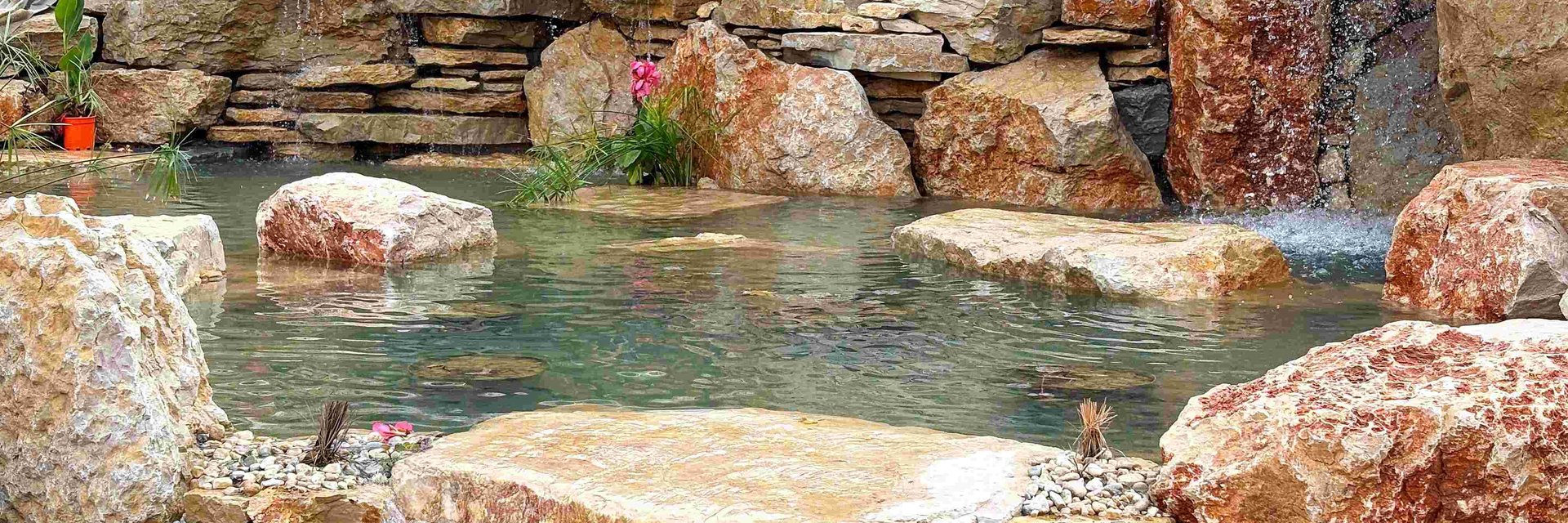
A natural pool isn't just an upgrade. It's a paradigm shift in how we think about water, wellness, and the spaces we live in.
We are now stepping into a new era: the organic swimming pool. Thanks to major technological advances in water treatment — namely UV sterilisation and biological filtration — natural swimming pools can now achieve the same level of clarity and safety as conventional pools, without any of the toxic byproducts. What was once a dream is now a reality.
The feeling of living water
Imagine stepping out of a mountain lake: cool, vibrant water flows off your skin. You feel relaxed, rejuvenated, even healed.
Now compare that to a chemical pool — your eyes sting, your skin itches, your hair feels dry and lifeless. The sharp smell isn't nature — it's chloramines: a mix of chlorine, sweat, and urine.
That's the difference between living water and chemically treated water. One reconnects you with nature. The other is just a means to swim.
Gone are the days of red eyes, itchy skin, brittle hair, and asthma flare-ups caused by harsh pool chemicals.
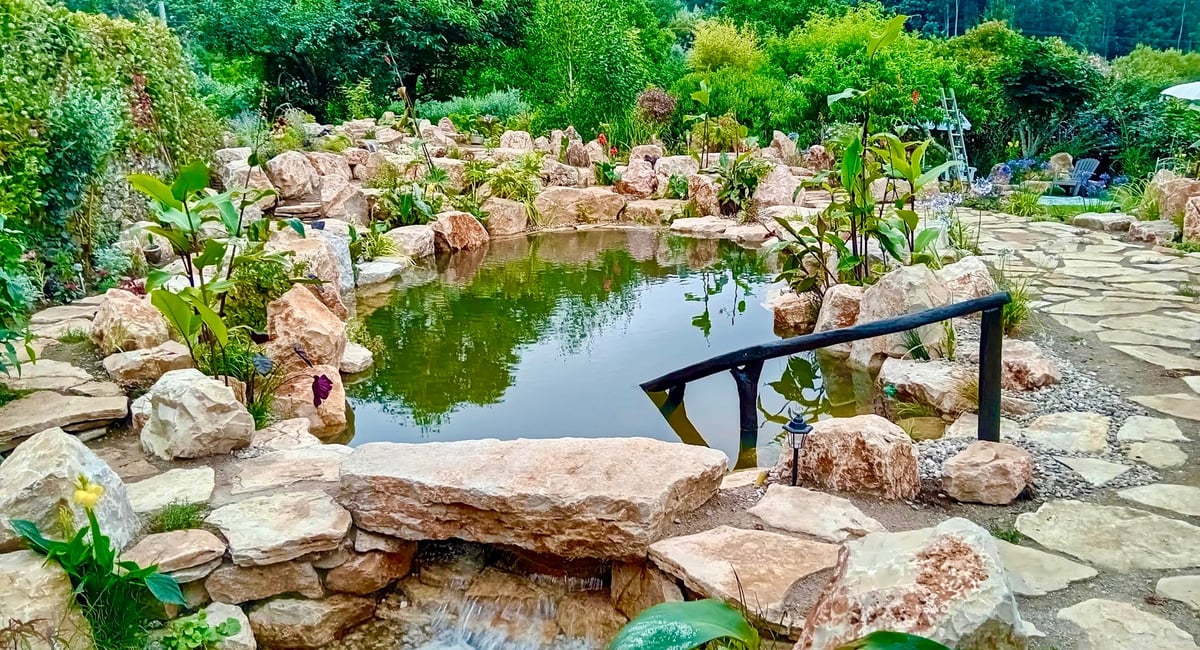
Why natural pools are the future
Natural swimming pools don't just feel better — they work better for the environment, your health, and your wallet:
- Simplified permitting — in many regions including Portugal, natural pools are classified as ponds or water catchment systems rather than traditional chemical pools. This often means fewer bureaucratic hurdles and no hazardous chemical storage approvals.
- No toxic chemicals — nothing leaches into the soil, no fumes irritate the lungs, and no chemical disposal is needed.
- Energy savings — biological filtration and UV sterilisation require far less electricity than traditional systems. No 24/7 pump cycles or chemical feeders.
- Healthier skin, eyes & lungs — no red eyes, dry skin or inhaling volatile chloramines. Natural pools are safe for babies, pets and even pollinators.
- Protects biodiversity — designed to support life, not kill it. Natural pools attract dragonflies, frogs, birds and butterflies.
- Low maintenance — forget chemical balancing. Once properly established, natural pools are self-regulating ecosystems.
- Sustainable water use — many systems double as rainwater collection basins and greywater reuse features — crucial for drought-prone regions like Portugal and California.
Chlorine vs saltwater vs natural — what's the difference?
Chlorine Pools
Water is treated with chlorine to kill bacteria and algae. The water is chemically treated and pH managed with additional chemicals. Effective but harsh on skin, eyes and hair. Environmentally problematic. Requires ongoing chemical purchase, storage and management. Creates toxic chloramine byproducts.
Natural Swimming Pools
Water is kept clean by biological processes — plants, beneficial bacteria and UV sterilisation. No chemicals added. The system manages itself once properly established and balanced. Gentler on the body, better for the environment, lower long-term running costs and — when properly designed — produces water that is indistinguishable in clarity from a well-maintained conventional pool.
Saltwater pools are often marketed as "more natural" than chlorine pools — but they still use chlorine. Electrolysis converts salt into chlorine, so the water still contains chlorine and its byproducts. A saltwater pool is a chlorine pool with a different delivery method. A natural pool is genuinely chemical-free.
How is this possible? The technology behind it
The rise of the organic swimming pool has been made possible by two key technologies working in harmony:
Biological Filtration
Aquatic plants and beneficial bacteria in a regeneration zone absorb nutrients (nitrogen, phosphorus) that would otherwise feed algae. The biological filter maintains water chemistry naturally — without any chemicals.
UV-C Sterilisation
UV light damages the DNA of pathogens as water passes through a sterilisation chamber. No chemicals added — just physics. The water is safe for swimming without any chemical treatment.
Compact Biofilter Systems
Modern natural pools can use compact biofilter modules instead of planted zones — making chemical-free water achievable even on small or urban sites.
Smart Circulation
Variable-speed pumps with smart controls maintain water quality at up to 90% less electricity than conventional pools — dramatically lower running costs.
A new relationship with water
For decades, we treated our swimming pools the way we treated everything else in the 20th century — with chemistry, control and consumption. Chlorine worked. It still does. But it comes at a cost we are only beginning to fully understand.
The natural pool represents a different philosophy: working with biology rather than against it. Designing systems that become more stable and self-sufficient over time, not less. Creating water environments that are genuinely alive — that support biodiversity, that feel extraordinary to swim in, and that belong to the landscape they sit in.
This is not a marginal trend. It is where swimming is going.